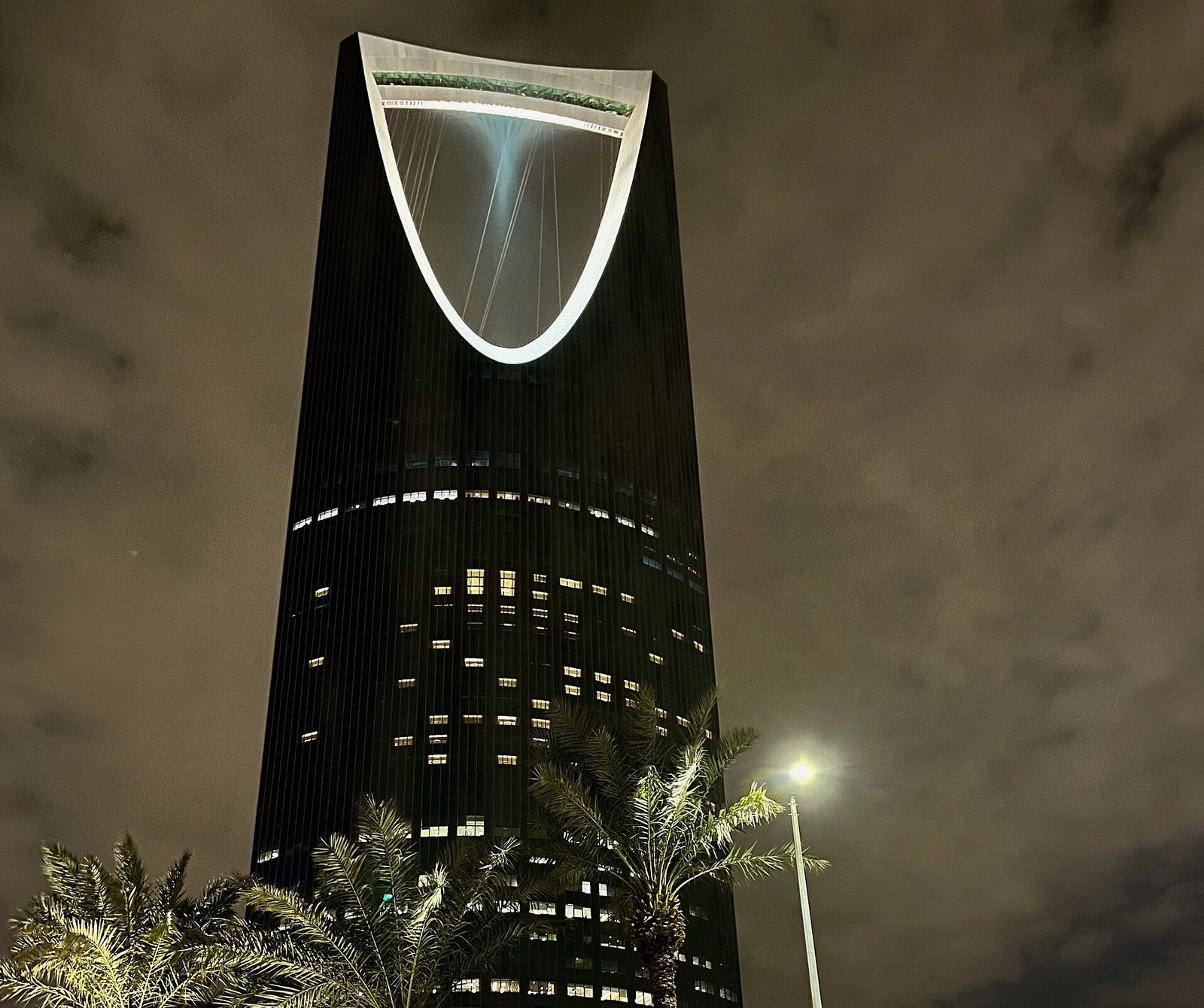
Saudi Arabia enters the second half of 2026 in a genuine correction. After a record run, residential transaction values fell 26.9% year-on-year in Q2 2026 and deal counts fell 14.2%. That is not a reason to stay out — but it is a reason to buy differently. Here are the three variables that matter now: prices, rents, and access.
The context matters. The overall market is still growing — Q1 2026 transactions reached SAR 112 billion, up 6.8% year-on-year — but that headline hides a split. Commercial values rose 3.4% while the residential price index fell 3.6%. Q2 2026 residential value came in at SAR 37.67 billion, down 26.9% year-on-year. The question is no longer whether the market is strong; it is which part of it still is.
1. Prices: apartments hold, villas do not
The divergence is now measurable, and it runs by asset type as much as by postcode. In Q2 2026 apartment values rose 1.1% year-on-year while villa values fell 9.7%. Riyadh apartments average around SAR 6,175/sqm and were still up 6.3% year-on-year in Q1 2026; Jeddah averages SAR 4,324/sqm, up 2%. If you are buying for capital preservation right now, the apartment market is holding and the villa market is not.
- Apartments — up 1.1% year-on-year; the segment that held through the correction.
- Villas — down 9.7%; the clearest area of value destruction this year.
- Residential land — down 3.9%; sentiment-driven and slow to re-rate.
2. Rents: capped in Riyadh, free everywhere else
The single biggest rental story is regulatory, not market-driven. From 25 September 2025 Riyadh has operated a five-year rent freeze on residential and commercial leases, fixing rents at their September 2025 level until 2030. It arrived alongside automatic lease renewal, tight limits on refusing a renewal, and fines of up to twelve months' rent for breaches. Riyadh residential rents had already softened 2.1% year-on-year by March 2026. Riyadh still shows the highest gross yields at around 8.89%, with Jeddah at 7.89% and the national average at 6.84% — but in Riyadh that yield is now locked to today's rent for five years, and in Jeddah it is not.
The story of 2026 isn't "up or down" — it's "which city, in which district, at which price."
3. Access: who is allowed to buy just changed
The non-Saudi ownership law came into force on 21 January 2026, and on 23 June 2026 the Cabinet approved both the Executive Regulation and the designated zones themselves. In Riyadh those include KAFD, Diriyah Gate, New Murabba, Qiddiya, King Salman Park, King Salman International Airport, SEDRA and Sports Boulevard. In Jeddah, Jeddah Central plus further sites across the governorate. Makkah and Madinah are included, but ownership there is restricted to Muslims, alongside licensed Saudi companies and capital-market vehicles. The right question before you buy: is this asset inside an approved zone, and are you eligible to own it?
What to actually do
- Favour apartments over villas while the villa segment is still repricing.
- Underwrite the exit. Know your resale and rental comparables before you commit.
- Check the zone and your eligibility first if you are a non-Saudi buyer.
Saudi Arabia in 2026 rewards discipline over FOMO. The long-term fundamentals — Vision 2030 diversification, population growth, and a newly opened ownership framework — remain intact, and a cooling market is historically a better entry point than a euphoric one. But the spread between what holds value and what does not has widened sharply. The edge now comes from selection, and that is where reading the data daily pays for itself.